The Hemmersbach Kids’ Family Programming Academy
Next to the IT course, the Hemmersbach Kids’ Family Programming Academy is the next step of our educational programme for pupils living in children’s homes. After the first two successful launches, new homes join the programme. The classes are led by Christopher, a qualified Toronto teacher with experience in working with the youth. He is able to draw the students’ attention and share the rather difficult and complex knowledge of programming. He has a few tricks up his sleeve! It is one of the reasons why our Programming Academy is so unique. Do you want to learn more about Christopher’s approach? Read our interview.
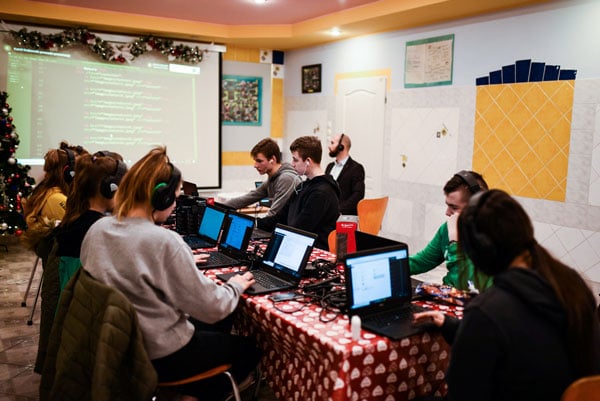
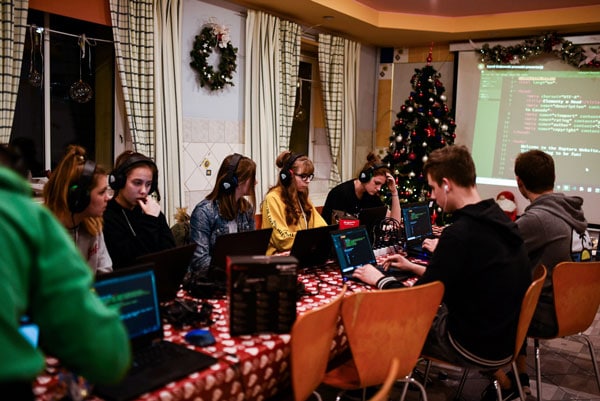
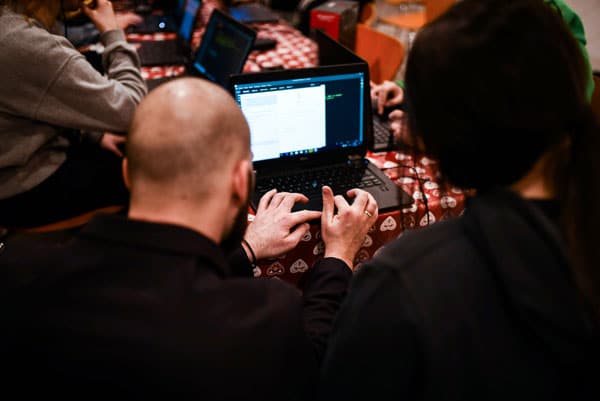
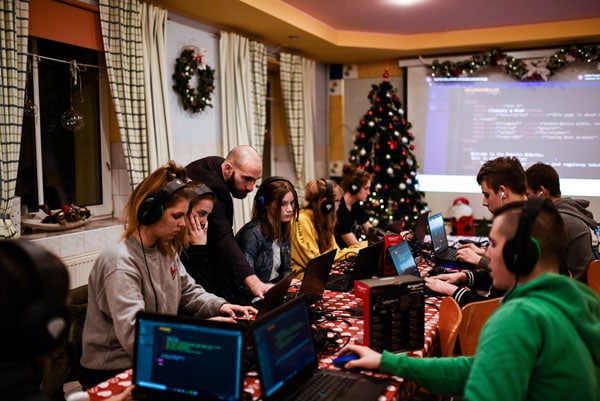
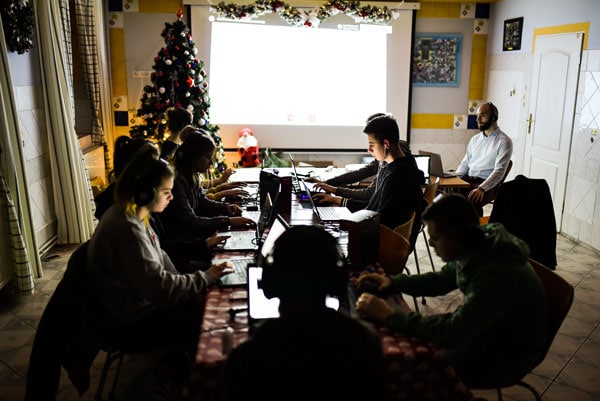
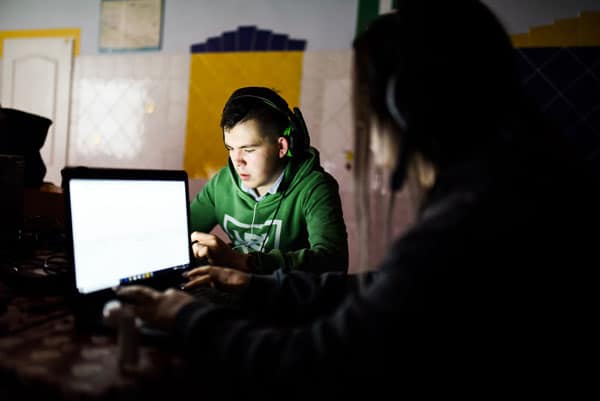
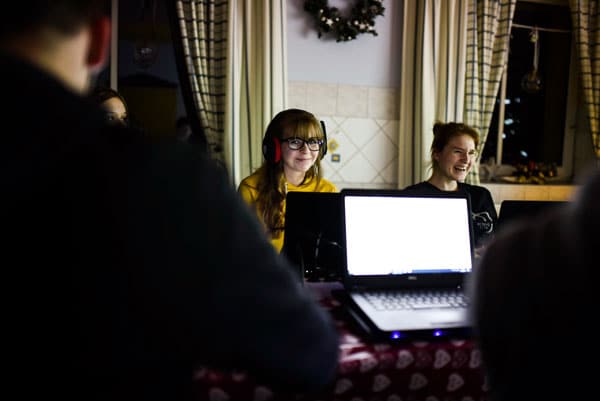
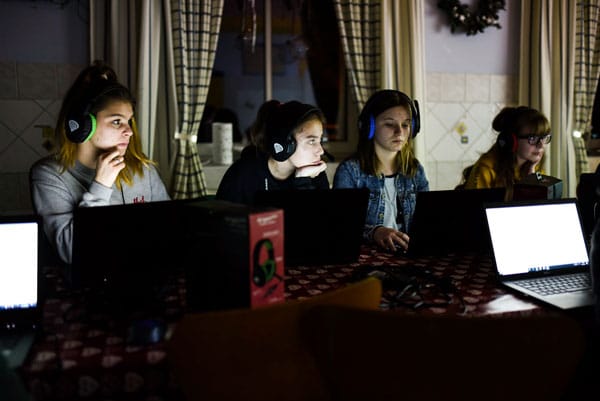
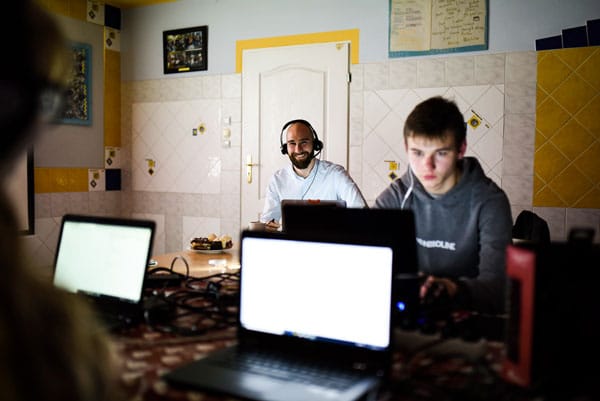
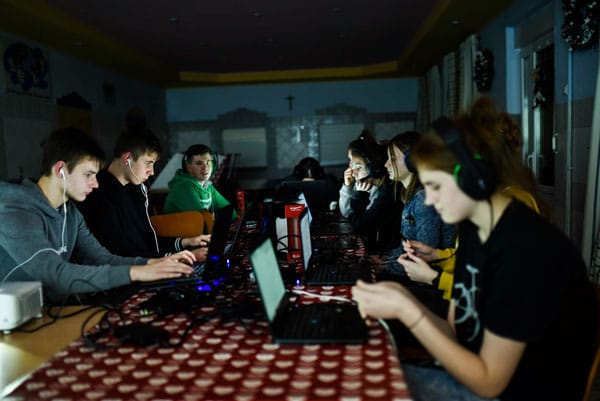
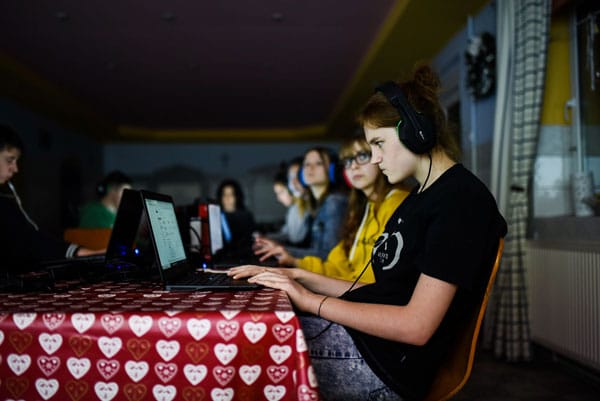
Christopher is sitting in front of his computer in a classroom in Toronto, Canada, where he also lives and works. His 17 students are also looking at their computer screens, but… in Poland. They meet for the Programming Academy lessons twice a week via Skype.
You have been teaching programming for 10 years. How many students do you have in Poland?
Seventeen teenagers from two children’s homes are attending my classes. They are between 13 and 18 years old.
Is remote teaching difficult? There are about seven thousand kilometres in a straight line between Poland and Canada!
It’s not a problem. The classes are led via Skype and it all looks similar to a typical classroom meeting. I teach while at a school in Toronto. I share my screen with my students in Poland, or they share their screens with me. This makes the classes seem like they take place in a Toronto classroom. We all hear each other, see each other and our computer screens.
What can your students learn?
During the classes, my students complete a lot of programming tasks using JavaScript, HTML and CSS technologies. I also assign them some real projects. All of them fall in line with the programme of the Academy on the Front-end developer course. They also learn about technologies and languages currently in market demand, such as React, JQuery, Angular, Bootstrap, SASS, etc. We devote particular attention to the process of debugging, so removing errors in programming. At the end of each meeting, the students receive homework, which is not about memorising, but reasoning; they have to think like programmers. I put a lot of pressure on their comprehension and modifying their way of thinking. The ability to cooperate in a team and help others is equally important.
How great is their engagement during classes?
At the beginning, they are a bit overwhelmed – not only by the topics, but also the technologies used for classes. It changes during fifth or sixth classes. My students become very engaged and start to help each other out of their own will.
You surely have some tricks to ease them, draw some interest to the course…
I follow a few rules. Most importantly, I don’t drag them into the adult world. Quite the opposite, actually: I try to find a place in their world, the one with entertainment and computer games. Of course, I have to be focused and empathetic, also ready to dynamically change the methodology for teaching. In nearly each group, I give largely different examples, use different vocabulary, try to choose the most efficient way of communicating. I intertwine learning with fun and cognition. Sometimes, I focus more on understanding and learning the way of thinking; other times, I devote more time to an in-depth explanation of the topic and how it all actually works. There are also classes during which we watch some films about programming that illustrate some concepts well. We have fun by making up interesting applications of what we already know and can do. I obviously answer a lot of questions during each class, both on what we are currently learning and the novelties in computer and online technologies.
Your work must bring you great satisfaction…
Let me put it this way: programming is a difficult area, teaching and learning it is not easy, either. It frequently happens that when a student understands something, they let the whole group know, often with an enthusiastic outcry. We call it the “aha” moment in English. The kids do not hide their emotions and I see many such “aha” moment in the classes, sometimes they are very loud. It is very rewarding for the teacher, great satisfaction. If I manage to trigger the student’s attention, and I usually do, they are very eager to take part in additional projects. They are very curious and flood me with questions about computers, the Internet and programming.
What do they ask about most often?
Apart from questions on the topics touched upon during classes, they also ask about the job of a programmer. The kids want to know how it looks like in Poland, but also Canada and the USA.
What is the easiest and the most difficult for them?
In every group, some are more and others are less interested in a current topic. Some of my students find it easier and more student-friendly to learn the technologies with tags and descriptions, such as HTML and CSS. Others are clearly more into pure programming in JavaScript – both for online applications and creating graphics and computer games.
What are your students planning to do with the gathered knowledge after the course?
At this age, young people do not have specific plans, though some kids are very adamant about becoming programmers. They enjoy the work very much and know that they have a great chance for an interesting future.